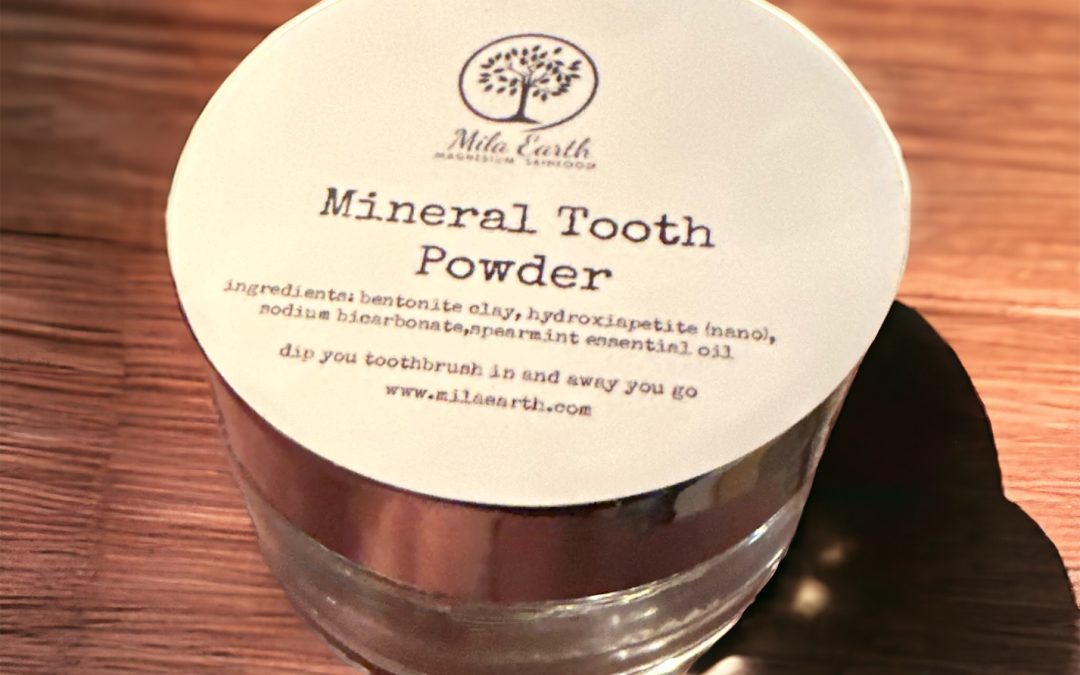
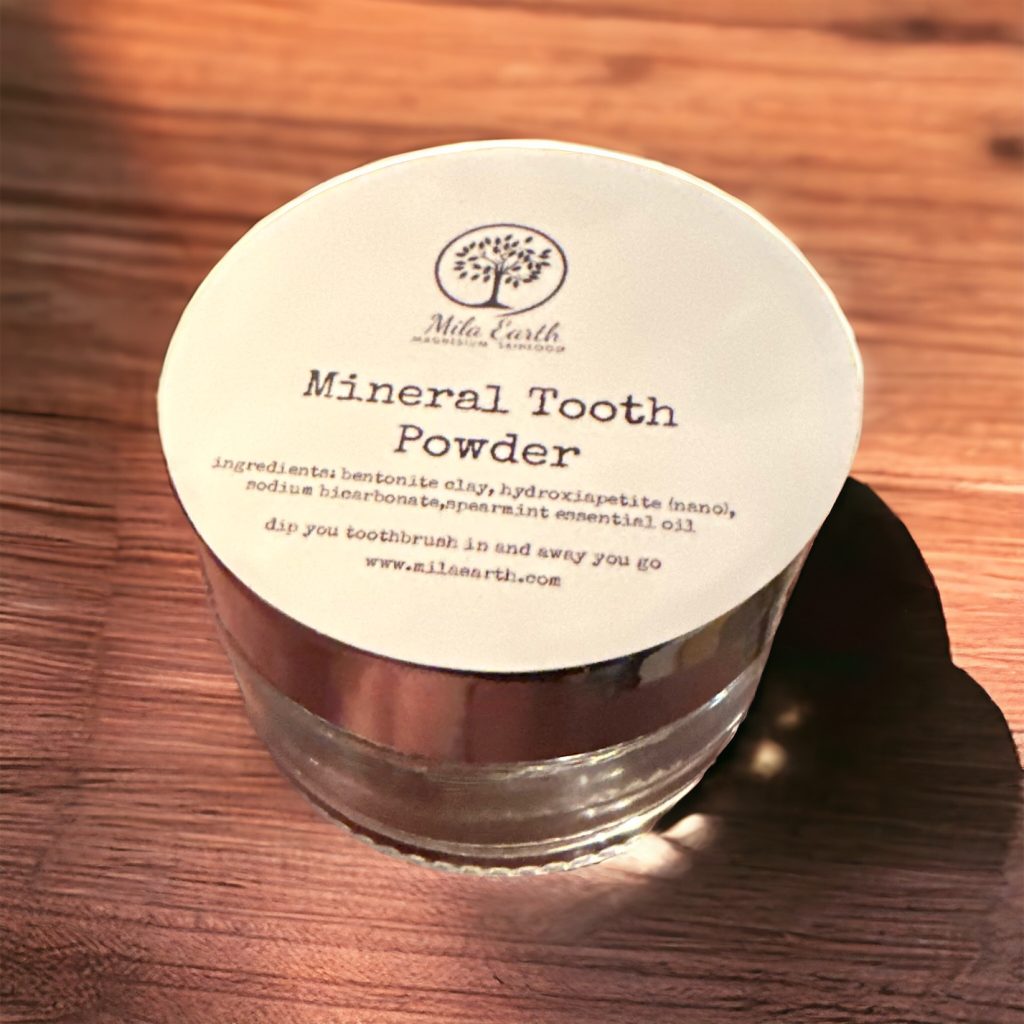
While many individuals choose to use fluoride and believe it is safe, the writer of this article believes fluoride is a neurotoxin as depicted in scientific literature. Various experiments have led me to try all of these methods. Currently, I use a toothpaste powder made with bentonite, Montmorillonite, nanohydroxyapatite, essential oils, and baking soda. Out of all the toothpaste I have bought, tested, and made, this is by far our favorite, and the entire family uses it.
Several dentists have assumed that we floss and clean our teeth very regularly, which is true. We do oil pulling, flossing, and use this toothpaste, which leaves our teeth so clean that it baffles dentists and orthodontists. Best of all, it also removes impurities and heavy metals. I personally love the fact that there’s clay in toothpaste because it’s like we’re still little kids eating a bit of clean dirt, which strengthens our immune system and makes us more resilient.
Natural Alternatives to Toothpaste
- Coconut Oil Coconut oil, extracted from the kernels of coconuts, is often used as part of a technique called oil pulling. Oil pulling involves swishing the oil around your mouth (and between the gaps in your teeth) for 15-20 minutes to “pull” out and remove bad bacteria. Studies have shown that coconut oil has antimicrobial properties, which can help to reduce plaque formation and gingivitis inflammation. Coconut oil might also offer a natural solution for dry mouth by forming a barrier to keep mucosal surfaces moist, significantly reducing the risk of tooth decay and other oral diseases.
- Baking Soda Baking soda, or sodium bicarbonate, is mildly abrasive, helping to remove plaque build-up and surface stains from your teeth without causing excessive wear on tooth enamel. Baking soda also helps balance the pH level in the mouth, creating an environment that can reduce cavity-causing bacteria. Many natural toothpaste recipes incorporate baking soda as a key ingredient, often combined with essential oils like peppermint for added flavour and a nicer taste.
- Activated Charcoal Activated charcoal, derived from coconut shells or wood, is another popular alternative to traditional toothpaste. While you don’t want to scrub actual charcoal on your teeth, it is often used as part of natural, charcoal-infused toothpastes, which can help to remove surface stains on your teeth. However, more research is needed on the long-term effects of charcoal toothpaste, as it is too abrasive for everyday use on its own . And if you use pure charcoal, you will be doing a lot of cleaning in your bathroom, trust me I’ve seen this with three kids.
- Dental Powder Tooth powders have been around for thousands of years, with ancient people using ingredients such as burnt eggshells, crushed animal bone ash, and oyster shells to create powders that remove mouth odor and clean and polish teeth. Nowadays, tooth powders tend to be made from baking soda, charcoal powder, or salt, with some people also adding essential oils for flavor and benefits, such as clove or peppermint oil. These powdered formulations are mixed with water to create a paste used like traditional toothpaste. Research suggests that toothpaste powder is more effective at removing stains and plaque than toothpaste, and now some toothpaste powders even contain nano hydroxy appetite, which has way better benefits than even fluoride.
- Clays Bentonite clay and kaolin clay are gentle abrasives that can help cleanse and remineralize teeth. When bentonite reacts with water (and saliva), it absorbs dirt and particles that build up in the mouth, like a sponge. Anecdotal claims suggest that bentonite clay can help to whiten teeth, but more scientific research is required to back up these claims.
- Toothpaste Tablets Toothpaste tablets are a plastic-free alternative to traditional toothpaste. To use, you chew a tablet to break it down into a paste, brush as normal, and then spit. They avoid preservatives, harmful chemicals, and plastic.
The Benefits of My Toothpaste Powder Blend
The toothpaste powder I use combines the benefits of multiple natural ingredients:
- Bentonite and Montmorillonite Clay: Gentle abrasives that help cleanse and remineralize teeth while absorbing dirt and particles.
- Nanohydroxyapatite: A natural alternative to fluoride that helps to remineralize tooth enamel.
- Essential Oils: Provide natural antibacterial properties and a pleasant taste.
- Baking Soda: Balances pH levels and removes surface stains.
Using this blend, along with oil pulling and regular flossing, leaves our teeth exceptionally clean. Our toothpaste also helps remove heavy metals and impurities, offering a holistic approach to oral care. Plus, the clay element feels like we’re still kids, eating a bit of clean dirt, which strengthens our immune system and makes us more resilient.
Conclusion
In conclusion, while there are concerns about the ingredients and environmental impact of traditional toothpaste, there are plenty of natural alternatives available for those looking to make the switch. Whether you decide to give one or more of the options a go, make sure you consult with your dentist if you intend to use products without fluoride. This way, you can find a natural alternative to toothpaste that protects both the planet and your oral health.
By exploring these alternatives and sharing our personal experiences, we hope to inspire others to rethink their dental care routines and embrace the benefits of natural ingredients. For more insights and tips, stay tuned to our blog!

Related Reading
- The Carpenter Who Was Told He Needed Spinal Fusion — And Why It Never Happened
- DMSO: What It Is, How It Works, and How to Use It Safely
- Champing the West Coast: Foraging, Paddleboarding & Hidden Wild Adventures
Try our mineral tooth powder
Frequently asked questions
How do you make natural toothpaste at home?
A simple mix of a mineral clay (like bentonite or French green clay), a little baking soda and a few drops of peppermint or clove oil makes a basic tooth powder. Dip a damp toothbrush in the powder and brush as usual. Store it dry in a sealed jar.
What can I use instead of toothpaste?
Popular fluoride-free alternatives include mineral tooth powders, baking soda, clay-based powders and oil pulling with coconut oil. A good tooth powder should be gentle, non-abrasive and free of harsh foaming agents.
Is tooth powder better than toothpaste?
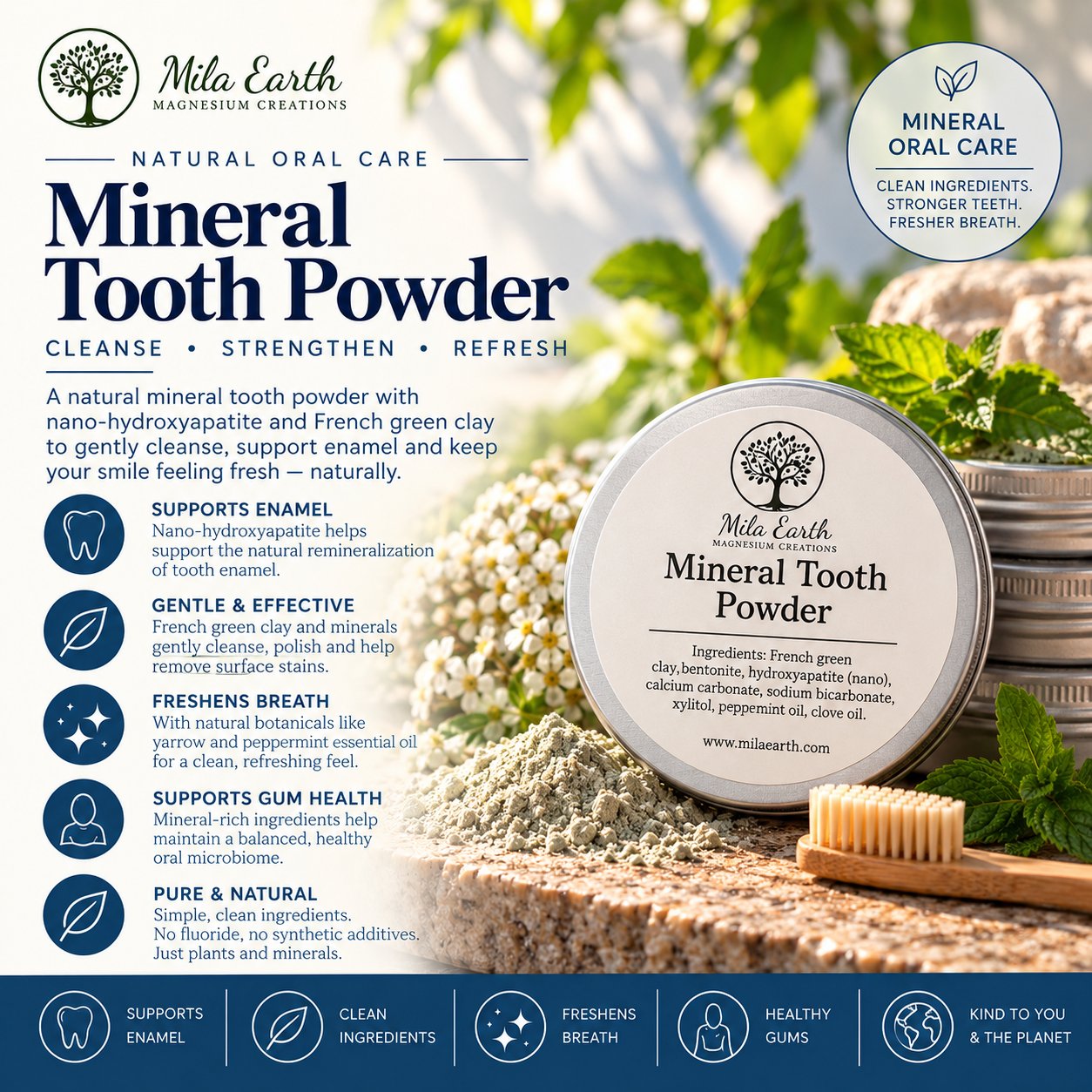
Tooth powders usually contain fewer ingredients and no preservatives, which many people prefer. Our Mineral Tooth Powder combines clays, calcium carbonate and nano-hydroxyapatite for a clean, fresh feel. If you have specific dental concerns, check with your dentist.
Does Mila Earth tooth powder contain fluoride?
No. Our Mineral Tooth Powder is fluoride-free and made with clays, minerals, xylitol and essential oils.