
Think about birth for a moment.
When a baby is born, it arrives covered in vernix caseosa — a natural, creamy protective coating. Modern medical research shows that vernix supports microbial balance, protects delicate skin, and reduces irritation. Because of this, delayed bathing is now commonly recommended so that this natural protection can absorb rather than be washed away.¹ ²
Nature rarely creates without purpose.
And eggs are no different.
When a hen lays an egg, it too is covered in a protective layer — called the cuticle, or “the bloom.”

The Natural Protective Bloom on Eggs
The bloom is a microscopic seal over the pores of the shell. Research in poultry science confirms that this natural coating helps reduce bacterial penetration and slows moisture loss.³ ⁴
When intact, this bloom allows clean, unwashed eggs to remain stable for weeks — sometimes up to 8–10 weeks — without refrigeration.
When eggs are commercially washed, that bloom is removed. Industrial washing (often using sanitizing or chlorinated solutions) makes refrigeration necessary because the shell becomes more permeable.⁵
This isn’t fear-based thinking.
It’s design.
Nature created a protective system. When we remove it, shelf life changes.
The Simple Float Test (How to Tell If an Egg Is Fresh)
You can test egg freshness easily:
• Sinks flat → Very fresh
• Sinks but stands upright → Older, still usable
• Floats → Discard
As eggs age, moisture escapes through the porous shell and air enters, enlarging the internal air cell.⁶ The float test simply reflects that physics.
Standing upright does not mean “bad.” It means aging.
Floating means excessive gas buildup — that one goes to compost.
Why Pasture-Raised Makes a Difference
Chickens are omnivores.
In natural conditions, they:
• Scratch soil
• Eat insects and worms
• Consume seeds and greens
• Spend time in sunlight
Access to pasture and sunshine changes egg nutrition. Studies comparing pasture-raised eggs to conventional systems show increases in omega-3 fatty acids, vitamin D, and carotenoids such as lutein and zeaxanthin.⁷ ⁸ ⁹
The yolk tells the story.
Deep golden yolks reflect diverse feed and real forage.
Pale yolks often reflect limited diets.
Sunlight increases vitamin D content significantly.⁹
Nutrition reflects environment.
Where I Buy My Eggs
In the summer, I buy from Rockweld Farms at:
• New Westminster Farmers Market (Thursdays)
• Port Moody Farmers Market (Wednesdays)
• Coquitlam Farmers Market (Sundays)
You can find your own trusted grower — or raise chickens yourself.
Knowing the source changes everything:
• Freshness
• Handling
• Whether eggs are washed
• How hens are fed
I buy 10–20 dozen at a time. They don’t go bad because they’re clean, unwashed, and properly stored.
When you understand how nature designed them, bulk buying makes sense.
The Egg Yolk Misunderstanding
For decades we were told:
“Only eat the whites.”
“Yolks are dangerous.”
“Dietary cholesterol raises blood cholesterol.”
Modern research does not support that simplified narrative. For most healthy individuals, dietary cholesterol has minimal impact on blood cholesterol because the body regulates its own production.¹⁰ ¹¹
Yolks contain:
• Choline (critical for brain function and mitochondrial health)¹²
• Fat-soluble vitamins
• Phospholipids
• Selenium
• Highly bioavailable fats
• Complete amino acids
Soft or runny yolks preserve more delicate nutrients than overcooked eggs.
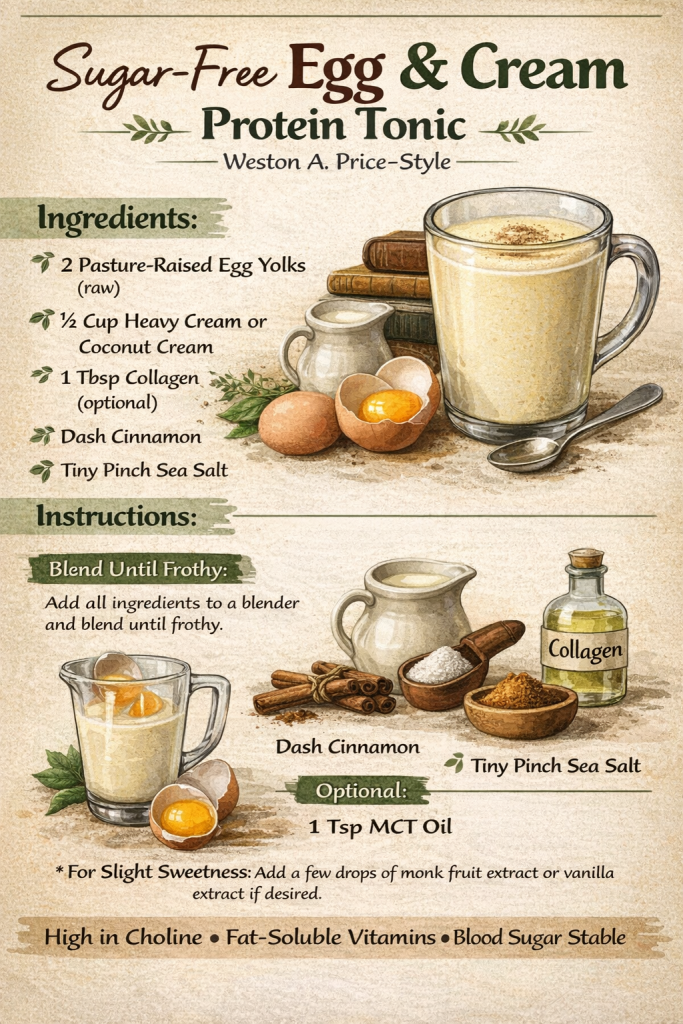
Six eggs a day, paired with vegetables and some meat, can produce remarkably balanced macronutrients — stable fats, high-quality protein, micronutrient density — often more affordable than highly processed “health foods.”
Simple food.
High return.
Raw Eggs — A Personal Choice
When eggs are:
• Very fresh
• Properly handled
• From a trusted source
Some people choose to consume them raw or lightly cooked.
The risk of Salmonella in intact eggs is statistically low but not zero.¹³ ¹⁴ Each person must assess risk appropriately, especially for vulnerable populations.
The point is not shock value.
It is food sovereignty.
When you know your farmer, you understand your choices.
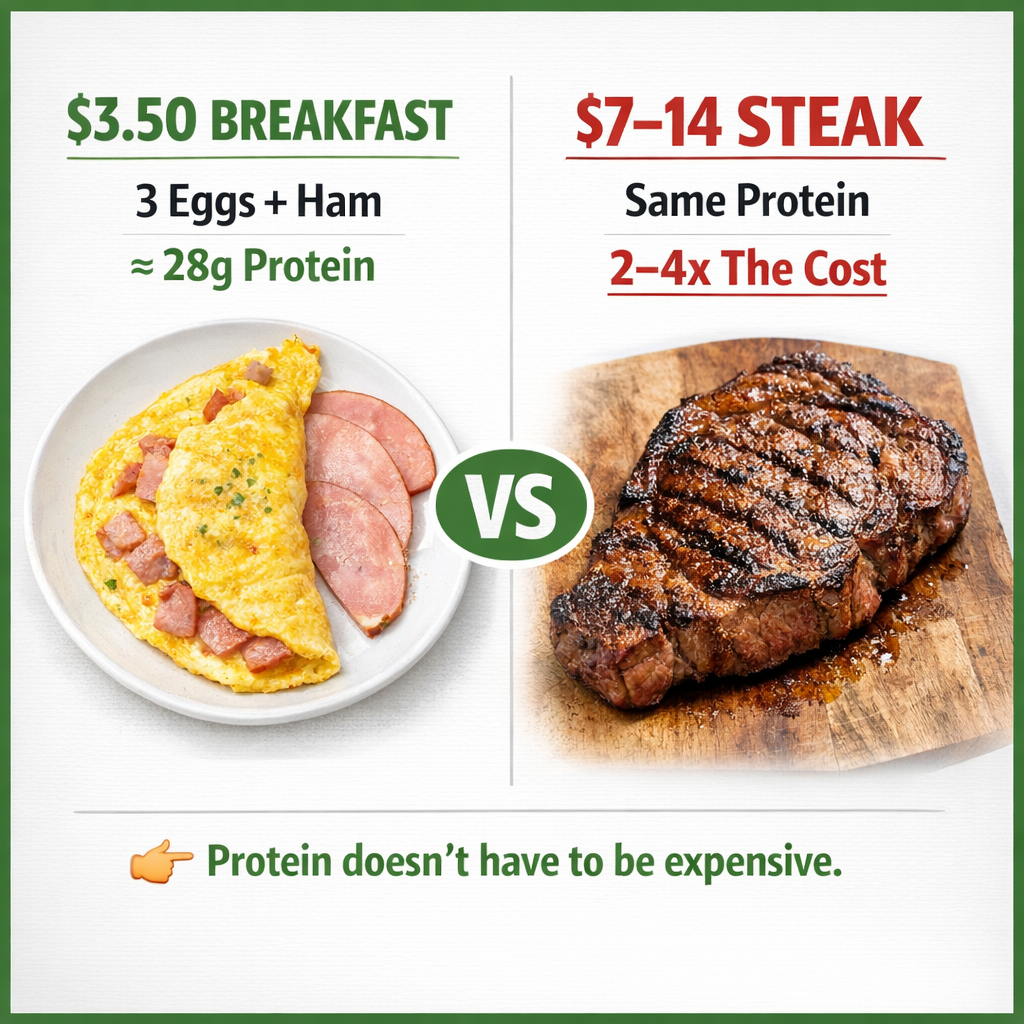
Eggs Are One of the Most Affordable Nutrient-Dense Foods Available
They are:
• Portable
• Quick to cook
• Cost-effective protein
• Family-friendly
• Rich in fat-soluble nutrients
• Highly bioavailable
Instead of chasing exotic superfoods, many families could dramatically improve nutrient intake simply by making high-quality eggs a daily staple.
Better food does not always cost more.
Often it costs less — when you buy closer to the source.
Visit your local farmers market.
Talk to the farmer.
Ask whether the eggs are washed.
Build that relationship.
Or raise your own hens.
Nature’s systems are thoughtful.
When we respect them, they work beautifully.
Scientific Sources Referenced
(You may hyperlink these in your blog)
- WHO Postnatal Care Guidelines
- Visscher MO et al. (Vernix caseosa research)
- Nys Y. et al. Poultry Science – Eggshell cuticle
- Bain MM et al. Cuticle quality and bacterial contamination
- USDA Egg Handling Guidelines
- Stadelman & Cotterill, Egg Science & Technology
- Karsten HD et al., Nutrient composition of pasture-raised eggs
- Anderson KE et al., Housing systems & fatty acid content
- Kühn J. et al., Vitamin D content in outdoor hens
- Berger S. et al., Dietary cholesterol review
- Lemos BS et al., Egg consumption and lipid profile
- Zeisel SH., Choline in human health
- EFSA Salmonella risk reports
- CDC Egg Safety Data

Related Reading
- Rowanberry: The Forgotten Antioxidant Berry Growing Around Us
- The $27 Bathroom Hack That Improves Sleep (Without Taking Phones Away)
- Mulled Winter Drinks